How should you protect a cat while a room is being painted?
Paint work can unsettle cats through fumes, noise, strangers and moved furniture. Keep the cat away until products are dry and the area is thoroughly ventilated.
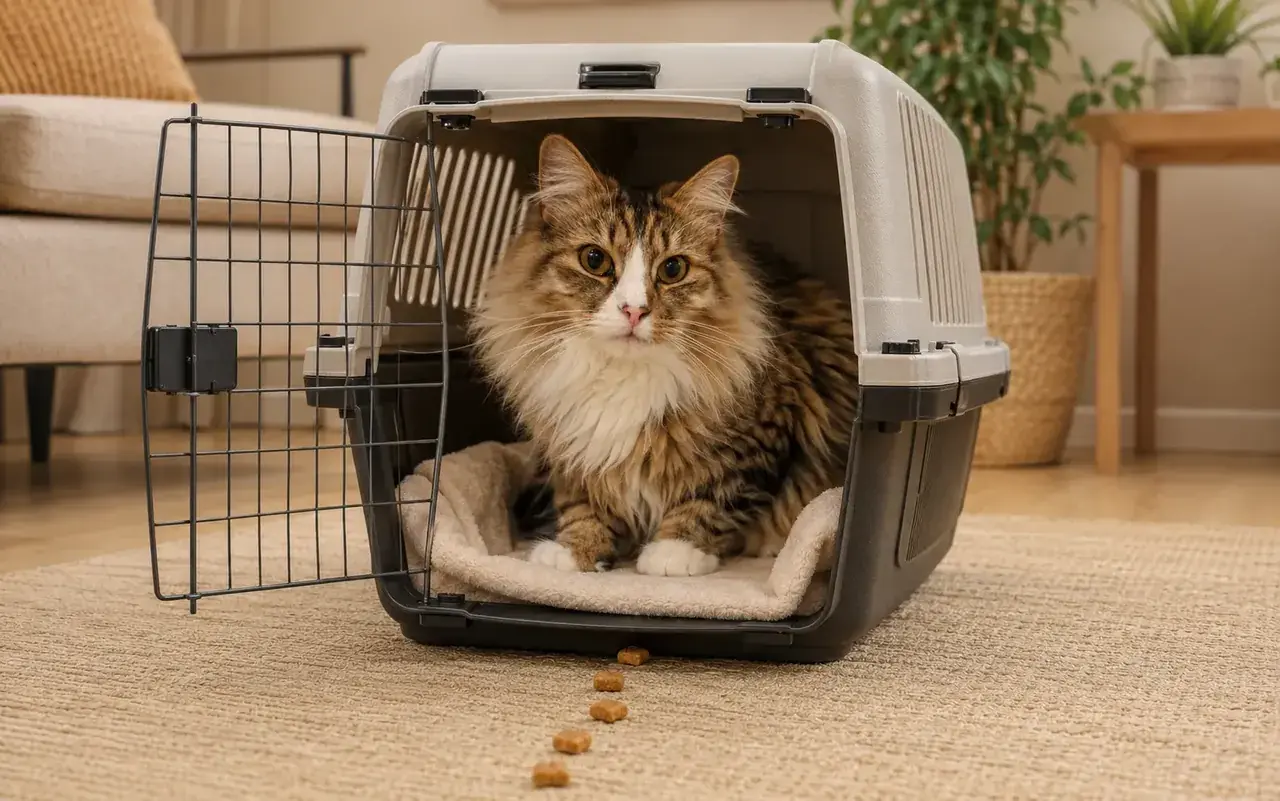 Topic illustration selected for this guide. Some learning images may be AI-assisted.
How should you protect a cat while a room is being painted — the quick answer
✓ Fumes, wet surfaces, tools and open doors make renovation areas unsafe
✓ Use a separate closed resource-rich room and return the cat only after the product is fully cured and the space ventilated.
✓ Breathing trouble, vomiting, chemical on fur or suspected ingestion needs urgent veterinary or poison advice.
Fumes, wet surfaces, tools and open doors make renovation areas unsafe. Even low-odour products require label-based ventilation and exclusion.
The short answer
Fumes, wet surfaces, tools and open doors make renovation areas unsafe. Even low-odour products require label-based ventilation and exclusion.
What to observe
Plan where the cat will stay before workers, dust and door traffic begin.
How to read the situation
Risk depends on the exact paint, primer, solvent, dust, ventilation and whether surfaces are wet or fully cured. A cat can walk through a drip and swallow residue while grooming even without approaching the open container.
What to do now
Keep the cat in a separate well-ventilated room with food, water, litter and bedding before work begins. Seal products and waste, clean dust and drips, ventilate according to the label and allow re-entry only after the recommended drying or curing period.
What not to do
Do not rely on smell alone, allow access because paint feels dry to a finger or use paint thinner on fur. Never leave brushes, trays, sanding dust, cloths or open containers where paws can reach them.
When to contact a veterinarian
Call promptly after licking paint, solvent exposure, contaminated fur or concerning fumes, with the product label available. Move the cat to clean air without risking your own safety, prevent grooming and follow professional cleanup instructions rather than inducing vomiting.
What to record
Write down when it began, how often it happens and what occurs immediately before and after. A short video, clear photo, food record or litter record can give the veterinary team useful context.
What to check first
Identify the paint and cleaning products used, read their safety instructions, and watch for coughing, drooling, vomiting, wobbliness or paint on fur.
DEEPER GUIDE1 more detailed sectionsOpen +
What to do next
Use a closed safe room with familiar resources during work, ventilate well and prevent access to wet surfaces, tools and contaminated water. Breathing trouble, neurological signs, chemical ingestion or paint on the eyes or mouth requires urgent veterinary or poison advice.
Your quick checklist
Your progress is saved on this device.
Three simple things you can do
You do not have to change everything today. Pick one step that feels realistic, try it and see how your cat responds.
- 1Observe your cat’s individual baseline.
- 2Make one gentle change at a time.
- 3Ask a qualified professional when health or safety is involved.
Common mistakes
×Waiting for a dramatic symptom instead of noticing smaller changes from the cat’s normal routine.
×Changing several things at once, making it difficult to learn what actually helped.
×Treating general guidance as a substitute for advice from a veterinarian who knows the individual cat.
Questions cat people ask
Does every cat follow the same rule?+
No. Age, health, history, temperament and environment all change what works for an individual.
When should I seek professional help?+
Seek veterinary advice for sudden, persistent or concerning changes and urgent help for breathing difficulty, collapse, seizures, poisoning or urinary obstruction signs.
Still looking for the right answer?
Search the full EverYes Cats encyclopedia with your own words — a symptom, food, behaviour, breed or everyday question.
Checked, dated and transparent
- Prepared by
- EverYes Cats editorial team
- Last updated
- 19 September 2026
- Source checked
- 19 September 2026
- Primary reference
- Cats Protection ↗
We begin with the named reference, rewrite the information in plain language and add practical cat-parent steps. Urgent health statements are checked against veterinary sources. This guide has not been individually reviewed by a veterinarian unless explicitly stated. It provides education, not diagnosis or treatment.
How we choose and use sources →
Spotted something unclear or outdated? Tell us so we can review it.
Your answer helps us improve the cat encyclopedia.
Pawing a cupboard usually follows scent, sound, a learned food routine or curiosity. Secure the contents and reward a safer alternative instead of opening it on demand.