What temperature should cat food be served?
Many cats prefer food near room or body temperature because aroma is easier to detect. A calm, practical guide to what it means and what to do next.
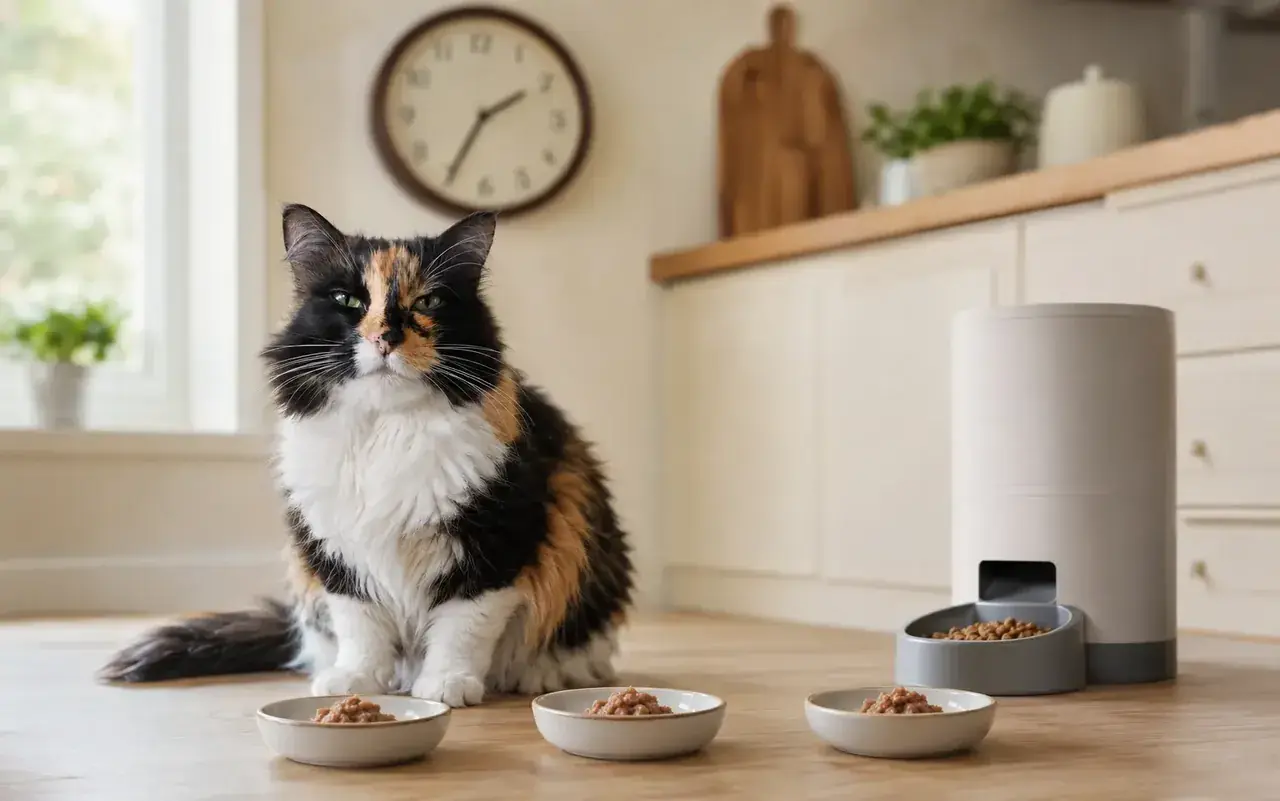 Topic illustration selected for this guide. Some learning images may be AI-assisted.
What temperature should cat food be served — the quick answer
✓ Many cats prefer food near room or body temperature because aroma is easier to detect
✓ Warm refrigerated food gently, mix thoroughly and test that it is never hot before serving.
✓ Persistent refusal of familiar food or reduced smell may accompany illness and needs attention.
Many cats prefer food near room or body temperature because aroma is easier to detect. Very cold food can smell less strongly, while hot food can burn the mouth. This guide separates the useful observation from guesswork and gives you one safe next step.
The clear answer
Many cats prefer food near room or body temperature because aroma is easier to detect. Very cold food can smell less strongly, while hot food can burn the mouth.
What to observe in your own cat
Compare equal measured portions of the same complete food at a safe cool-room temperature and straight from the refrigerator. Note aroma interest, amount eaten, chewing, swallowing and leftovers without changing the recipe or bowl at the same time.
Why two cats may look different
Age, health, body shape, early experience, confidence and the immediate environment all affect what owners see. A common pattern can still deserve attention when it is new or different for this individual cat.
Make the home support the answer
Refrigerate opened wet food promptly according to its label and warm only the portion being served. Bring it gently toward room temperature, stir thoroughly and check for hot spots before placing the dish down.
A practical next step
Warm refrigerated food gently, mix thoroughly and test that it is never hot before serving. Keep the change small and easy to reverse, then compare the same facts again rather than relying on memory.
What not to do
Do not serve food hot, leave wet food out for long periods or repeatedly warm and refrigerate the same portion. Avoid adding hot water, gravy or stock containing salt, onion, garlic or seasoning merely to increase aroma.
Warning signs and veterinary help
Persistent refusal of familiar food, reduced smell, drooling, mouth pain, vomiting, weight loss or difficulty swallowing needs veterinary assessment. A cat that stops eating should be assessed promptly rather than waiting for a different serving temperature to solve it.
Source and limits
This educational guide is informed by International Cat Care. It can help you observe and prepare useful information, but it cannot examine your cat, diagnose a condition or replace individual veterinary advice.
Your quick checklist
Your progress is saved on this device.
Three simple things you can do
You do not have to change everything today. Pick one step that feels realistic, try it and see how your cat responds.
- 1Serve wet food near room or body temperature, not hot.
- 2Warm only a measured portion and stir thoroughly.
- 3Discard food left out beyond safe storage guidance.
Common mistakes
×Microwaving without checking hot spots.
×Repeatedly warming and cooling the same portion.
×Leaving food out all day to reach room temperature.
Questions cat people ask
Do cats prefer warm food?+
Many respond to stronger aroma when food is mildly warmed, especially if smell is reduced, but preferences vary.
How warm is safe?+
The food should feel only mildly warm and contain no hot spots. Test after stirring before serving.
Still looking for the right answer?
Search the full EverYes Cats encyclopedia with your own words — a symptom, food, behaviour, breed or everyday question.
Checked, dated and transparent
- Prepared by
- EverYes Cats editorial team
- Last updated
- 19 September 2026
- Source checked
- 19 September 2026
- Primary reference
- International Cat Care ↗
We begin with the named reference, rewrite the information in plain language and add practical cat-parent steps. Urgent health statements are checked against veterinary sources. This guide has not been individually reviewed by a veterinarian unless explicitly stated. It provides education, not diagnosis or treatment.
How we choose and use sources →
Spotted something unclear or outdated? Tell us so we can review it.
Your answer helps us improve the cat encyclopedia.
A cat may reject a freshly washed bowl because of detergent scent, residue, a changed location or an unfamiliar material—not because the food suddenly changed.