Can stress make a cat shed suddenly?
Stress can increase grooming and loosen fur, but heavy shedding also has seasonal, nutritional, parasitic and medical causes.
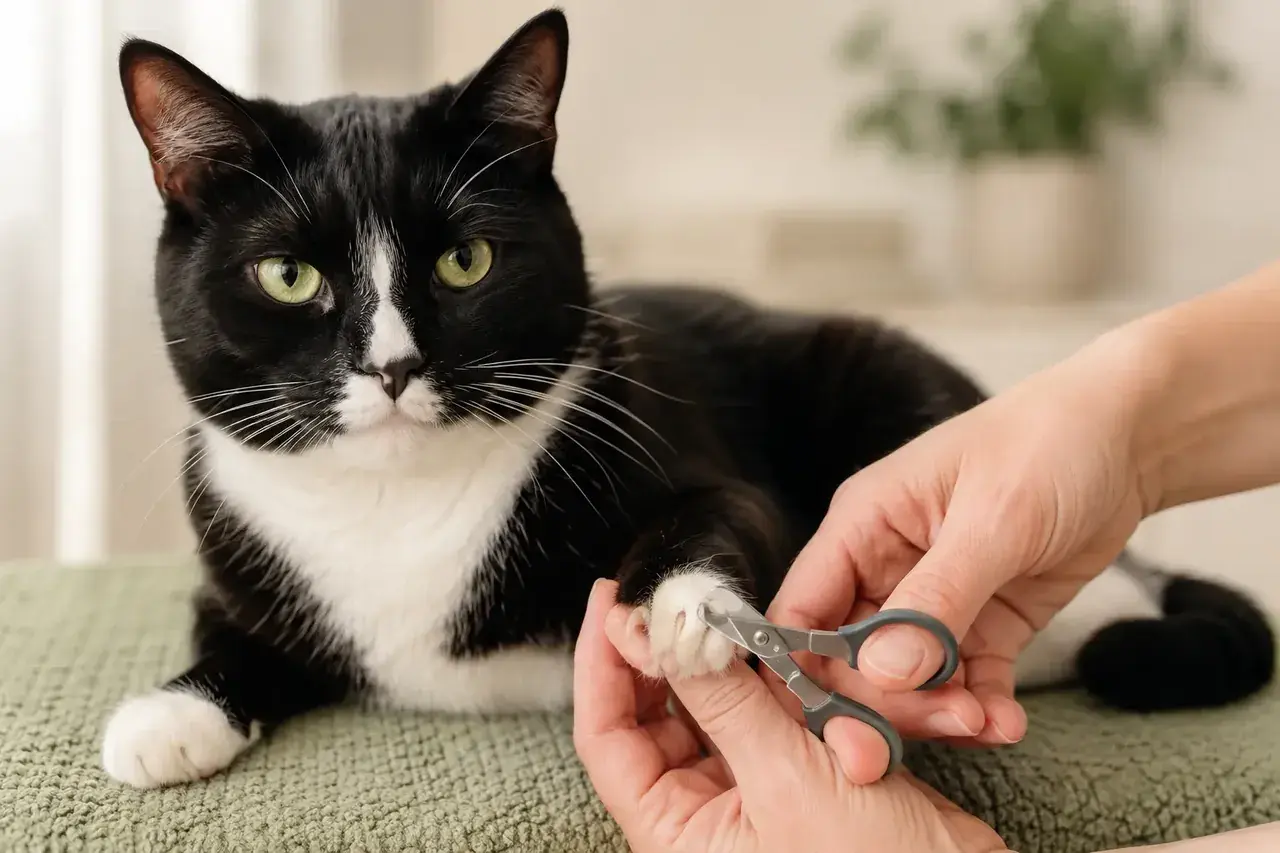 Topic illustration selected for this guide. Some learning images may be AI-assisted.
Can stress make a cat shed suddenly — the quick answer
✓ Acute stress can release loose hairs, making shedding seem dramatic
✓ Reduce handling pressure, restore routine and brush gently only if welcomed.
✓ Bald patches, itching, sores, weight change or ongoing excessive shedding needs veterinary care.
Acute stress can release loose hairs, making shedding seem dramatic. Persistent coat loss or bald areas should not be attributed to stress without assessment.
The short answer
Acute stress can release loose hairs, making shedding seem dramatic. Persistent coat loss or bald areas should not be attributed to stress without assessment.
What to observe
Check whether loose fur appeared during one frightening event or keeps coming away over days. Part the coat in good light to look for intact skin, short broken hairs, bald patches, redness or parasites. Also note new grooming, appetite or weight changes before attributing the shedding to stress.
How to read the situation
Persistent coat loss or bald areas should not be attributed to stress without assessment. Compare the pattern with your cat’s usual behaviour and consider timing, body language, appetite, litter-box use, mobility and recent changes.
What to do now
Reduce the immediate source of fear and restore a quiet place with familiar water, litter and resting options. Offer gentle brushing only if your cat chooses it, and avoid new products or a sudden diet change to chase a quick coat fix.
What not to do
Do not punish, frighten, force or repeatedly test the cat. Avoid changing several things at once, because that makes the response harder to interpret.
When to contact a veterinarian
Bald spots, intense itching, sores, a dull or greasy coat, weight loss or shedding that persists beyond the event merits assessment. Bring photos taken in the same light and describe when the change began.
What to record
Write down when it began, how often it happens and what occurs immediately before and after. A short video, clear photo, food record or litter record can give the veterinary team useful context.
What to check first
Check for bald patches, broken hairs, redness, itching, fleas and changes in eating, weight or routine.
DEEPER GUIDE1 more detailed sectionsOpen +
What to do next
Reduce the known stressor, preserve predictable resources and brush gently only if comfortable. Arrange a check if shedding persists. Open sores, rapid hair loss, severe itching or illness signs needs veterinary care.
Your quick checklist
Your progress is saved on this device.
Three simple things you can do
You do not have to change everything today. Pick one step that feels realistic, try it and see how your cat responds.
- 1Observe your cat’s individual baseline.
- 2Make one gentle change at a time.
- 3Ask a qualified professional when health or safety is involved.
Common mistakes
×Waiting for a dramatic symptom instead of noticing smaller changes from the cat’s normal routine.
×Changing several things at once, making it difficult to learn what actually helped.
×Treating general guidance as a substitute for advice from a veterinarian who knows the individual cat.
Questions cat people ask
Does every cat follow the same rule?+
No. Age, health, history, temperament and environment all change what works for an individual.
When should I seek professional help?+
Seek veterinary advice for sudden, persistent or concerning changes and urgent help for breathing difficulty, collapse, seizures, poisoning or urinary obstruction signs.
Still looking for the right answer?
Search the full EverYes Cats encyclopedia with your own words — a symptom, food, behaviour, breed or everyday question.
Checked, dated and transparent
- Prepared by
- EverYes Cats editorial team
- Last updated
- 21 September 2026
- Source checked
- 21 September 2026
- Primary reference
- Cornell Feline Health Center ↗
We begin with the named reference, rewrite the information in plain language and add practical cat-parent steps. Urgent health statements are checked against veterinary sources. This guide has not been individually reviewed by a veterinarian unless explicitly stated. It provides education, not diagnosis or treatment.
How we choose and use sources →
Spotted something unclear or outdated? Tell us so we can review it.
Your answer helps us improve the cat encyclopedia.
The amount varies with coat, season and grooming frequency, so the skin and overall density matter most. Learn what to check, what to change safely and when professional help matters.