When one cat smells different after the vet
A returning cat may smell unfamiliar after a veterinary visit, causing hissing or avoidance between companions. Distance and gradual scent recovery are safer than forcing recognition.
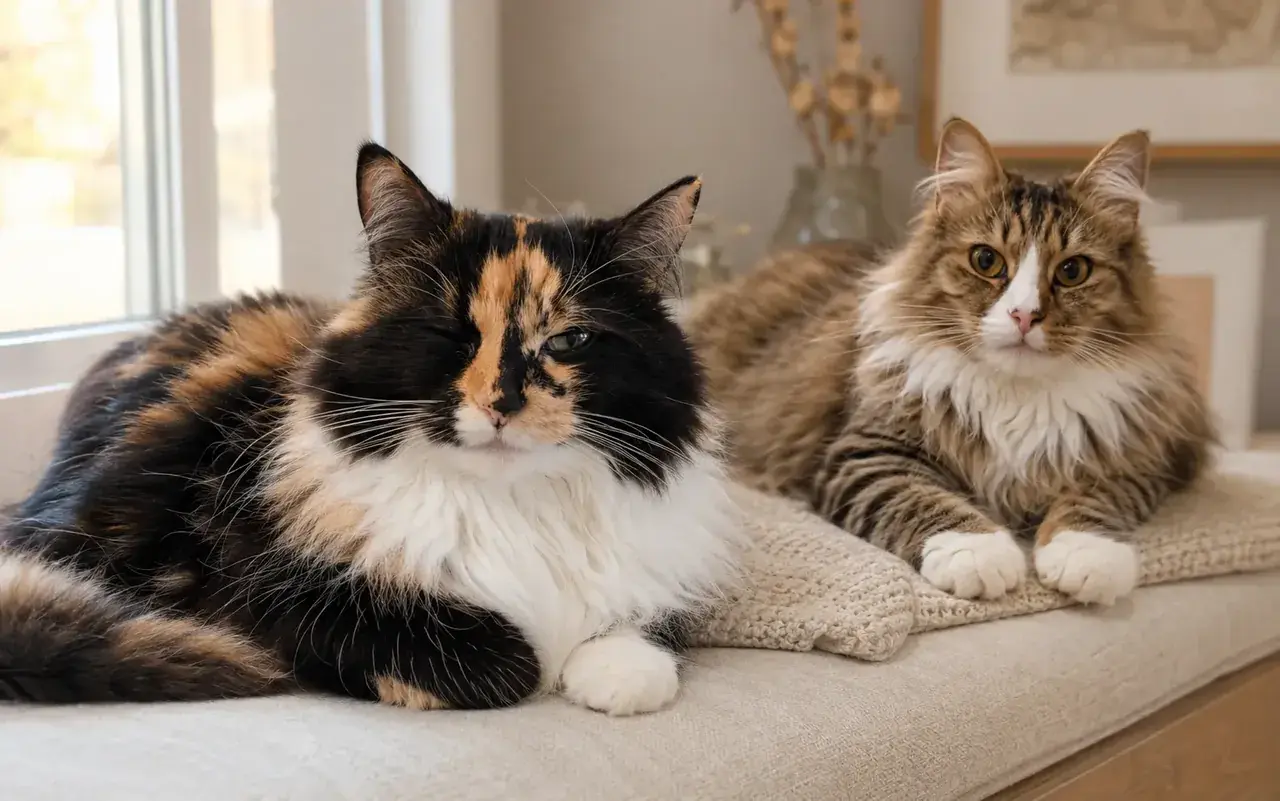 Topic illustration selected for this guide. Some learning images may be AI-assisted.
When one cat smells different after the vet — the quick answer
✓ Separate first if either cat is tense
✓ Let the returning cat recover quietly
✓ Reintroduce scent before close contact
✓ Injury or persistent conflict needs professional help
A returning cat may carry clinic scents, behave differently after medication or move strangely. A housemate can respond as if an unfamiliar cat entered. Forced reunion usually makes the problem harder.
Read the doorway
If there is staring, growling, puffed fur or blocking, move the returning cat to a fully equipped quiet room. Do not carry one cat toward the other.
Allow recovery
Pain, sedation and stress can change movement and scent. Follow discharge instructions and let the patient eat, rest and use the litter box without social pressure.
Restore familiarity
Exchange bedding, stroke each cat with separate clean cloths and pair scent exposure with food at a comfortable distance. Advance only while both remain relaxed.
Reintroduce in stages
Use brief visual contact through a secure barrier before sharing space. If conflict persists, one cat hides, or anyone is injured, contact the veterinarian and a qualified feline behaviour professional.
Create a calm return zone
Bring the returning cat into a separate quiet room with food, water, litter, hiding and bedding. Let medication or anaesthetic effects wear off and confirm normal recovery. Exchange familiar bedding or scent cloths only while both cats remain calm, and avoid holding them nose-to-nose.
Reintroduce according to behaviour
Use brief visual access through a secure barrier before shared space if tension continues. Relaxed eating, looking away and normal movement support gradual progress. Staring, blocking, growling, chasing or hiding means increase distance. Contact the veterinarian for poor recovery, pain or appetite loss, and seek behaviour help if conflict persists.
Your quick checklist
Your progress is saved on this device.
Three simple things you can do
You do not have to change everything today. Pick one step that feels realistic, try it and see how your cat responds.
- 1Bring the returning cat into a quiet separate room with complete resources.
- 2Allow household scent to return through bedding and calm room swapping before close contact.
- 3Use a secure barrier for brief visual contact if either cat is tense.
Common mistakes
×Forcing an immediate nose-to-nose reunion.
×Punishing hissing caused by unfamiliar clinic scent.
×Leaving the cats together after stalking or blocking begins.
Questions cat people ask
Why does my other cat hiss after a vet visit?+
Clinic odours, medication, stress and changed body language can make the returning cat temporarily smell and act unfamiliar.
How long should I separate cats after the veterinarian?+
Let behaviour guide you. Reintroduce when both cats are relaxed around scent and can eat, look away and move normally without fixation.
Still looking for the right answer?
Search the full EverYes Cats encyclopedia with your own words — a symptom, food, behaviour, breed or everyday question.
Checked, dated and transparent
- Prepared by
- EverYes Cats editorial team
- Last updated
- 4 September 2026
- Source checked
- 4 September 2026
- Primary reference
- FelineVMA Healthy Feline Environment ↗
We begin with the named reference, rewrite the information in plain language and add practical cat-parent steps. Urgent health statements are checked against veterinary sources. This guide has not been individually reviewed by a veterinarian unless explicitly stated. It provides education, not diagnosis or treatment.
How we choose and use sources →
Spotted something unclear or outdated? Tell us so we can review it.
Your answer helps us improve the cat encyclopedia.
The bed may offer the best location, warmth or scent rather than proving a fixed dominance relationship. Learn what to observe, what to try safely and when to seek help.