Why does my cat sneeze after drinking water?
One sneeze after drinking may follow a small splash or awkward bowl angle. Repeated sneezing, discharge, blood, noisy breathing or appetite change suggests more than a drinking habit.
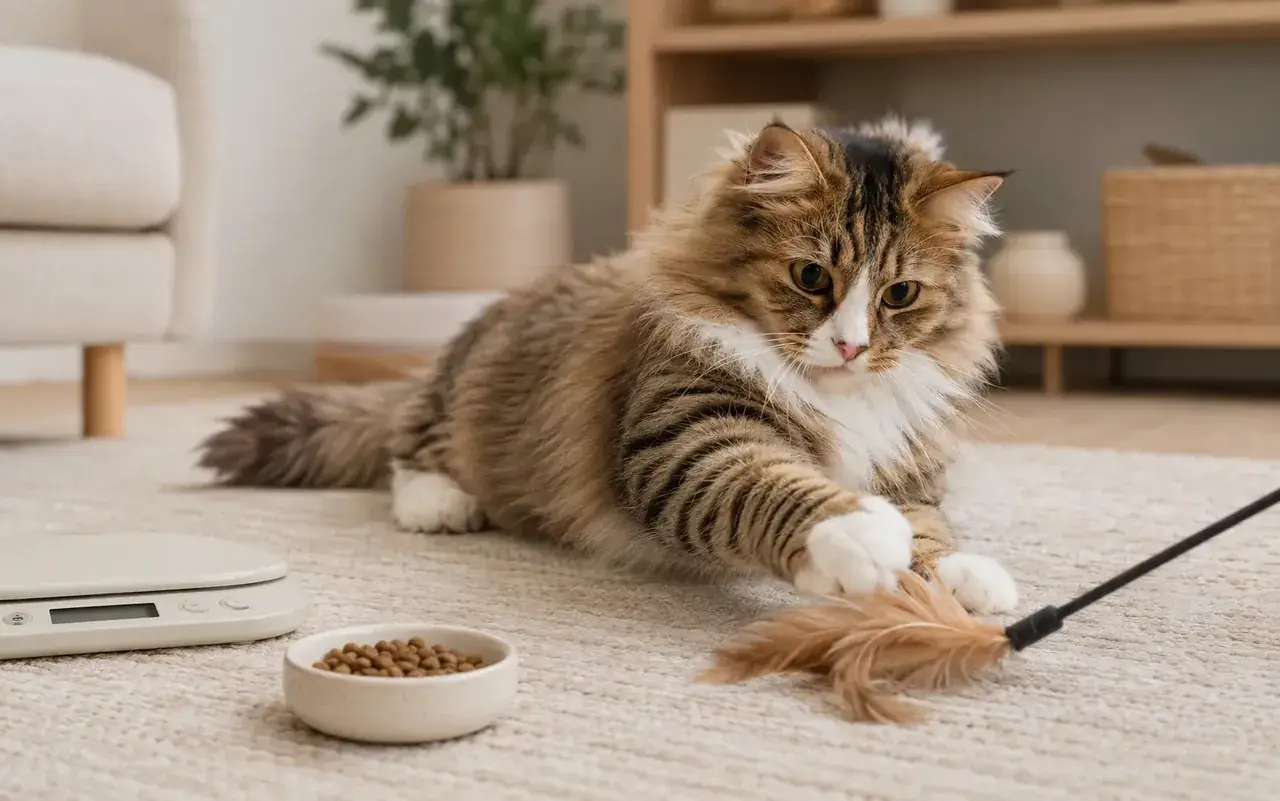 Topic illustration selected for this guide. Some learning images may be AI-assisted.
Why does my cat sneeze after drinking water — the quick answer
✓ A small splash or awkward angle can irritate the nose briefly
✓ Use a wide shallow stable bowl and record how often the pattern occurs.
✓ Discharge, blood, noisy breathing, reduced appetite or persistent sneezing needs veterinary assessment.
A small splash or awkward angle can irritate the nose briefly. Repeated sneezing may instead reflect nasal, dental or respiratory disease.
The short answer
A small splash or awkward angle can irritate the nose briefly. Repeated sneezing may instead reflect nasal, dental or respiratory disease.
What to observe first
Watch one normal drink without moving close. Does a single sneeze happen only when the nose touches the water, or does sneezing continue between drinks? Check for nasal or eye discharge, coughing, pawing at the face and any change in appetite.
Why the setting matters
Repeated sneezing may instead reflect nasal, dental or respiratory disease. One isolated detail rarely explains behaviour or health on its own, so look at the whole cat and the immediate environment.
What you can do
Use a wide shallow stable bowl and record how often the pattern occurs.
A gentle way to test it
Try the same fresh water in a wide stable shallow bowl at a comfortable height, keeping the location familiar. Change only the bowl setup first, then note whether the sneeze still occurs; do not force the cat's head into a different position.
When to contact a veterinarian
Frequent sneezing, discharge, blood, noisy breathing, reduced eating or signs that occur away from the bowl need assessment. Open-mouth or laboured breathing is urgent; do not delay for another bowl trial.
Prepare useful information
Write down when it began and how often it occurs. A short video, clear photo, food record or litter record can help a veterinary professional assess a pattern that may not appear during the appointment.
Improve the drinking setup
Offer a wide shallow stable bowl filled to a comfortable level and keep it clean. Compare still water with a gently flowing fountain only if the cat is already comfortable with it. Record which setup and head position trigger sneezing.
DEEPER GUIDE1 more detailed sectionsOpen +
Track signs away from the bowl
Note sneezing at other times, eye or nose discharge, pawing at the face, bad breath and food intake. Persistent or worsening signs need veterinary assessment; open-mouth or difficult breathing is urgent.
Your quick checklist
Your progress is saved on this device.
Three simple things you can do
You do not have to change everything today. Pick one step that feels realistic, try it and see how your cat responds.
- 1Use a wide shallow bowl filled to a comfortable level.
- 2Observe whether sneezing occurs only after drinking or at other times.
- 3Track nasal discharge, cough, appetite and breathing.
Common mistakes
×Tilting the cat's head back to drink.
×Adding remedies to water without advice.
×Ignoring repeated sneezing with discharge.
Questions cat people ask
Why does my cat sneeze after drinking water?+
A small amount of water near the nose, bowl posture or irritation may trigger an occasional sneeze, but repeated episodes can indicate nasal or swallowing problems.
When should sneezing see a vet?+
Seek care for persistence, coloured or bloody discharge, coughing, fever signs, poor appetite, weight loss or any breathing difficulty.
Still looking for the right answer?
Search the full EverYes Cats encyclopedia with your own words — a symptom, food, behaviour, breed or everyday question.
Checked, dated and transparent
- Prepared by
- EverYes Cats editorial team
- Last updated
- 21 September 2026
- Source checked
- 21 September 2026
- Primary reference
- Cornell Feline Health Center ↗
We begin with the named reference, rewrite the information in plain language and add practical cat-parent steps. Urgent health statements are checked against veterinary sources. This guide has not been individually reviewed by a veterinarian unless explicitly stated. It provides education, not diagnosis or treatment.
How we choose and use sources →
Spotted something unclear or outdated? Tell us so we can review it.
Your answer helps us improve the cat encyclopedia.
Senior cats may sleep longer and more deeply, but a clear change in arousability, breathing, appetite or movement should not be dismissed as ageing. Compare the whole daily pattern.