From wildcat to sofa
Domestic cats descend mainly from Near Eastern and African wildcat populations that moved closer to early farming communities where rodents gathered around stored grain.
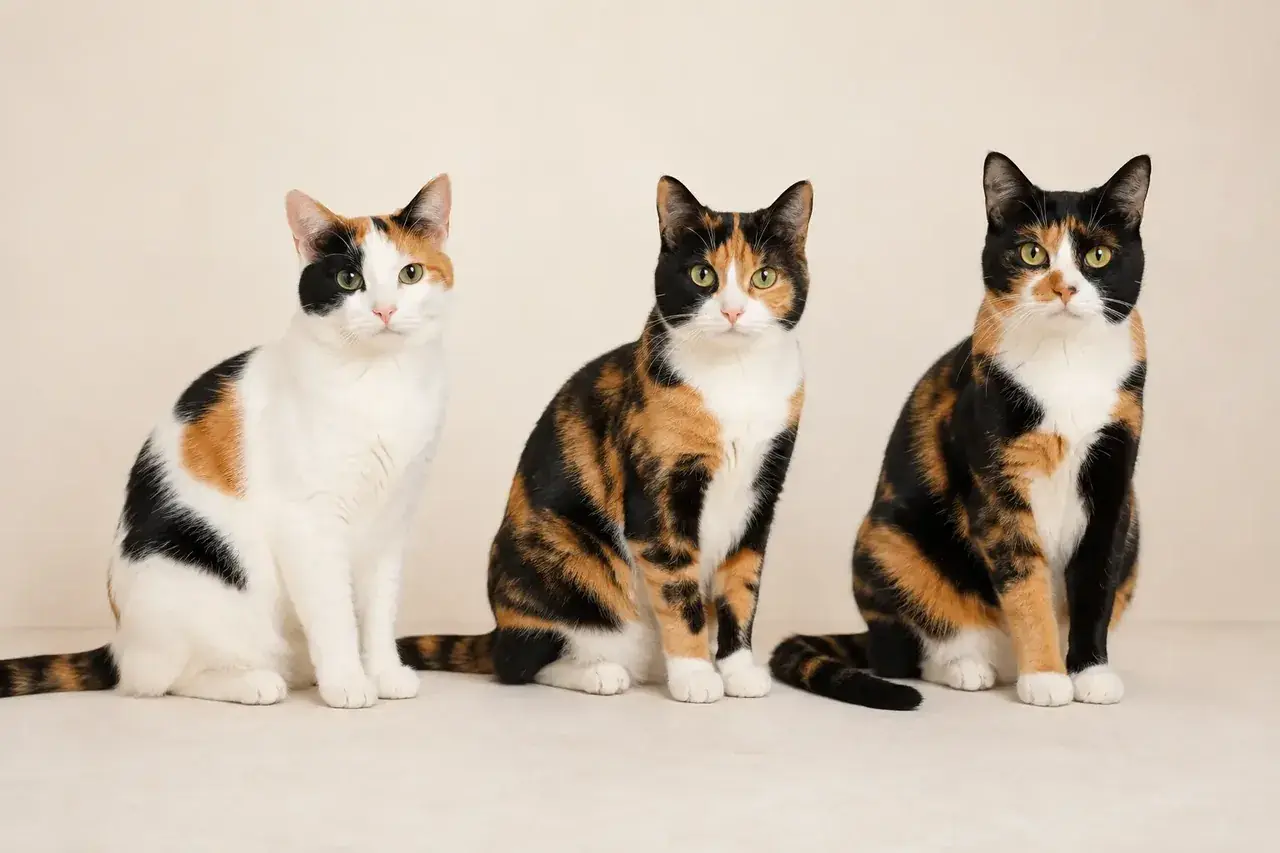 Topic illustration selected for this guide. Some learning images may be AI-assisted.
From wildcat to sofa — the quick answer
✓ Domestic cats retain a remarkable set of solitary hunting skills.
✓ Living near people rewarded tolerance while hunting remained central.
✓ Modern enrichment works best when it respects those inherited behaviours.
Domestic cats retain a remarkable set of solitary hunting skills. This guide turns the idea into small practical steps while keeping health, choice and individual temperament in view.
Start here
Domestic cats retain a remarkable set of solitary hunting skills.
A practical plan
Living near people rewarded tolerance while hunting remained central.
Know when to pause
Modern enrichment works best when it respects those inherited behaviours.
A partnership grew around food stores
Cats were useful hunters around settlements, while living near people offered reliable prey and shelter. Domestication was gradual rather than one single event. Later trade and travel helped cats spread through Europe and around the world, with local populations contributing to the diversity seen today.
Modern cats retain a flexible nature
Selective breeding into formal breeds is relatively recent compared with the long human–cat relationship. Most pet cats are not pedigree animals, and many hunting, scent-marking and territorial behaviours remain close to those of wild relatives. Understanding this history helps explain why modern homes still need hiding, climbing, scratching and hunting-style play.
Your quick checklist
Your progress is saved on this device.
Three simple things you can do
You do not have to change everything today. Pick one step that feels realistic, try it and see how your cat responds.
- 1Observe your cat’s individual baseline.
- 2Make one gentle change at a time.
- 3Ask a qualified professional when health or safety is involved.
Common mistakes
×Waiting for a dramatic symptom instead of noticing smaller changes from the cat’s normal routine.
×Changing several things at once, making it difficult to learn what actually helped.
×Treating general guidance as a substitute for advice from a veterinarian who knows the individual cat.
Questions cat people ask
Does every cat follow the same rule?+
No. Age, health, history, temperament and environment all change what works for an individual.
When should I seek professional help?+
Seek veterinary advice for sudden, persistent or concerning changes and urgent help for breathing difficulty, collapse, seizures, poisoning or urinary obstruction signs.
Still looking for the right answer?
Search the full EverYes Cats encyclopedia with your own words — a symptom, food, behaviour, breed or everyday question.
Checked, dated and transparent
- Prepared by
- EverYes Cats editorial team
- Last updated
- 4 September 2026
- Source checked
- 4 September 2026
- Primary reference
- FelineVMA Life Stage Guidelines ↗
We begin with the named reference, rewrite the information in plain language and add practical cat-parent steps. Urgent health statements are checked against veterinary sources. This guide has not been individually reviewed by a veterinarian unless explicitly stated. It provides education, not diagnosis or treatment.
How we choose and use sources →
Spotted something unclear or outdated? Tell us so we can review it.
Your answer helps us improve the cat encyclopedia.
Blood flow, temperature and excitement can make some noses look temporarily lighter or darker.