Rotate cat toys without buying more
Toy rotation keeps familiar objects interesting by changing availability, location and play style. It can enrich a cat without continually buying more or filling the home with duplicate assets.
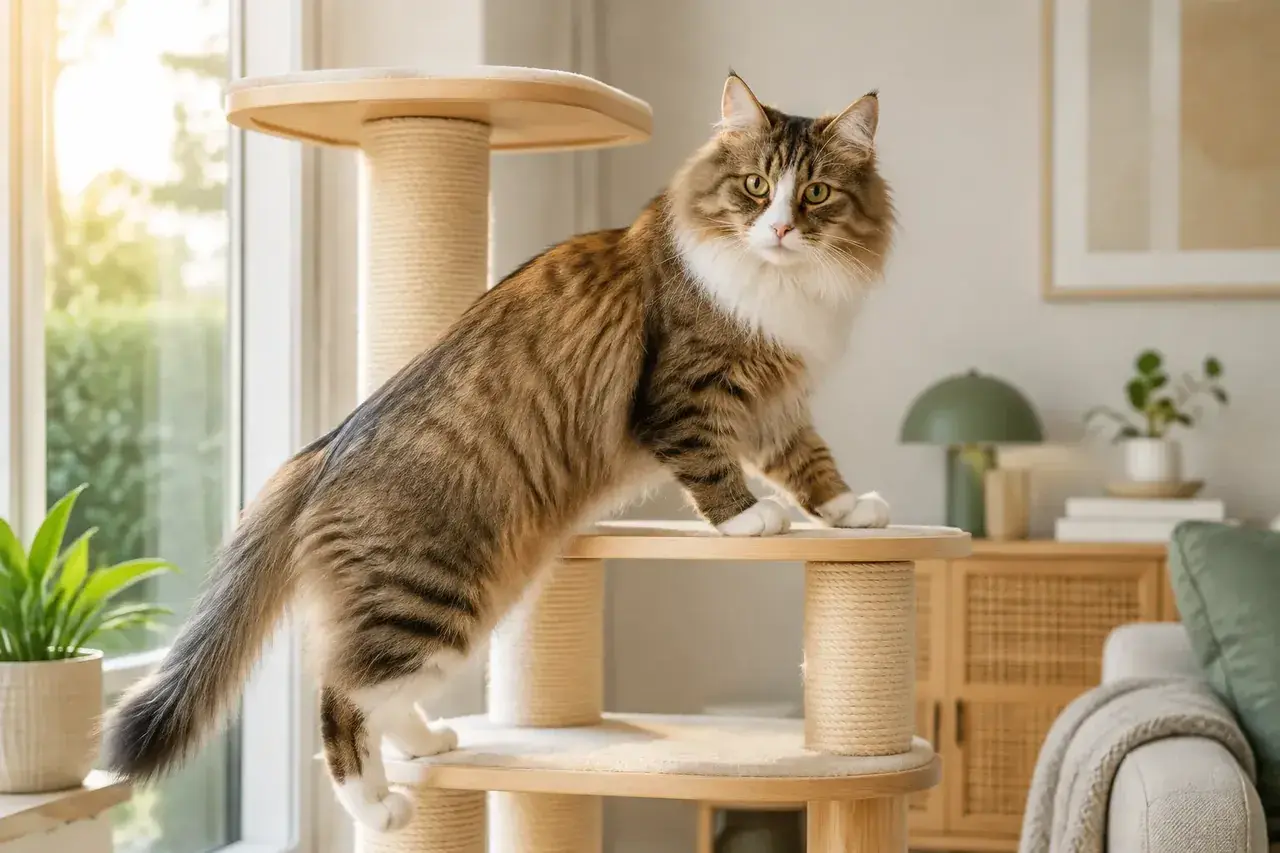 Topic illustration selected for this guide. Some learning images may be AI-assisted.
Rotate cat toys without buying more — the quick answer
✓ A small toy rotation can make familiar playthings feel interesting again.
✓ Keep a few safe toys available, store the rest, then swap shapes, textures and movement styles each week.
✓ Inspect every toy for loose strings, broken pieces or stuffing before it returns to play.
A small toy rotation can make familiar playthings feel interesting again. This guide turns the idea into small practical steps while keeping health, choice and individual temperament in view.
Start here
A small toy rotation can make familiar playthings feel interesting again.
A practical plan
Keep a few safe toys available, store the rest, then swap shapes, textures and movement styles each week.
Know when to pause
Inspect every toy for loose strings, broken pieces or stuffing before it returns to play.
Create a small safe rotation
Sort toys into a few groups containing different actions: chasing, kicking, batting, carrying and food searching. Leave safe favourites available, store the rest out of sight and swap only a few items every several days. Reintroduce them in a new room or movement pattern so the experience changes even when the object does not.
Inspect before every return
Discard toys with loose thread, exposed stuffing, sharp parts or pieces small enough to swallow. String and wand toys require supervised use and secure storage afterward. Wash according to material and keep each cat's comfort in mind; a cautious cat may prefer one familiar item alongside anything newly returned. Interest changes can also signal pain or illness.
Your quick checklist
Your progress is saved on this device.
Three simple things you can do
You do not have to change everything today. Pick one step that feels realistic, try it and see how your cat responds.
- 1Observe your cat’s individual baseline.
- 2Make one gentle change at a time.
- 3Ask a qualified professional when health or safety is involved.
Common mistakes
×Waiting for a dramatic symptom instead of noticing smaller changes from the cat’s normal routine.
×Changing several things at once, making it difficult to learn what actually helped.
×Treating general guidance as a substitute for advice from a veterinarian who knows the individual cat.
Questions cat people ask
Does every cat follow the same rule?+
No. Age, health, history, temperament and environment all change what works for an individual.
When should I seek professional help?+
Seek veterinary advice for sudden, persistent or concerning changes and urgent help for breathing difficulty, collapse, seizures, poisoning or urinary obstruction signs.
Still looking for the right answer?
Search the full EverYes Cats encyclopedia with your own words — a symptom, food, behaviour, breed or everyday question.
Checked, dated and transparent
- Prepared by
- EverYes Cats editorial team
- Last updated
- 4 September 2026
- Source checked
- 4 September 2026
- Primary reference
- FelineVMA Healthy Feline Environment ↗
We begin with the named reference, rewrite the information in plain language and add practical cat-parent steps. Urgent health statements are checked against veterinary sources. This guide has not been individually reviewed by a veterinarian unless explicitly stated. It provides education, not diagnosis or treatment.
How we choose and use sources →
Spotted something unclear or outdated? Tell us so we can review it.
Your answer helps us improve the cat encyclopedia.
Movement, texture, scent and timing must match the individual cat's play preferences. Learn what to observe, what to try safely and when to seek help.