Should a senior cat have night lights?
Soft night lighting can help a senior cat navigate familiar routes when vision, confidence or mobility changes. Light essential paths without rearranging the whole home at once.
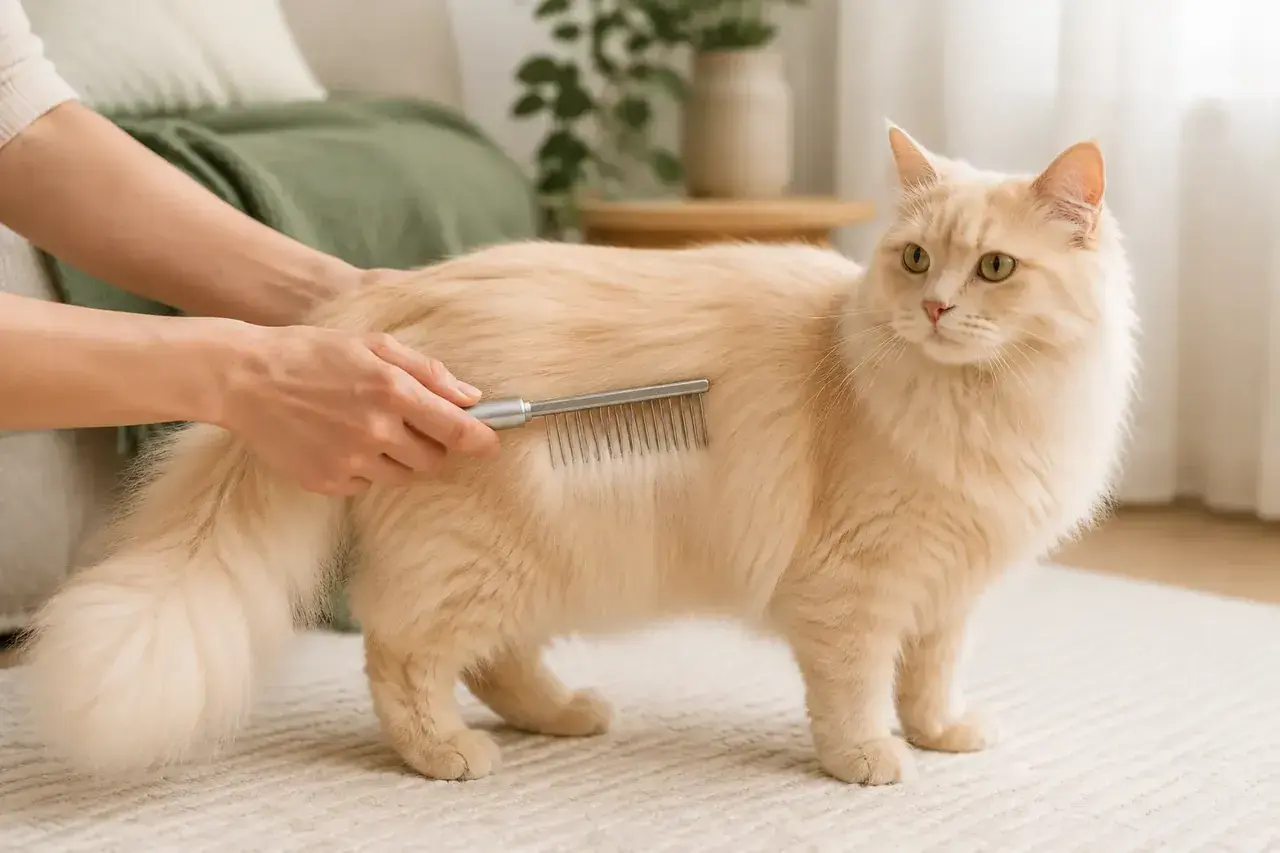 Topic illustration selected for this guide. Some learning images may be AI-assisted.
Should a senior cat have night lights — the quick answer
✓ Age-related sensory change, stiffness and unfamiliar shadows can make night routes harder.
✓ Add soft lights along essential paths without moving every resource at once.
✓ New disorientation, staring, circling, vocalising or vision change needs veterinary assessment rather than home adaptation alone.
Low-level lighting may help an older cat navigate to water, beds and litter boxes when vision or confidence changes.
The short answer
Low-level lighting may help an older cat navigate to water, beds and litter boxes when vision or confidence changes.
Why it may happen
Age-related sensory change, stiffness and unfamiliar shadows can make night routes harder.
Read the whole situation
Watch whether the senior cat hesitates only in dark hallways or also seems confused in daylight. Collisions, staring, vocalising, changed sleep, house-soiling or difficulty finding familiar resources can reflect vision, pain, blood-pressure or cognitive problems rather than darkness alone.
What to do now
Use dim steady lights along the existing route to litter, water and favourite beds. Reduce glare and shadows, add non-slip surfaces and keep furniture and resource locations stable while the cat learns the illuminated route.
What not to do
Do not use flashing or motion-triggered lights that startle the cat, and do not move the litter box and furniture at the same time as adding lighting. Night lights support navigation but do not treat the cause of new confusion.
When to contact a veterinarian
New disorientation, staring, circling, vocalising or vision change needs veterinary assessment rather than home adaptation alone.
Keep a useful record
Note the time, lighting, route, hesitation and whether the cat eventually reaches the intended resource. Record vision changes, vocalising, sleep, thirst, litter use and mobility for a veterinary review of any new nighttime difficulty.
Illuminate the routes that matter
Place low glare lights between the sleeping area, water and low-entry litter trays, especially near steps or dark corners. Add non-slip footing and keep furniture positions stable. Avoid bright flashing or motion-triggered light that startles the cat.
DEEPER GUIDE1 more detailed sectionsOpen +
Treat new confusion as health information
Lighting supports access but does not diagnose the cause. New disorientation, staring, circling, nighttime calling, bumping into objects or an apparent vision change needs veterinary assessment; sudden blindness or severe distress is urgent.
Your quick checklist
Your progress is saved on this device.
Three simple things you can do
You do not have to change everything today. Pick one step that feels realistic, try it and see how your cat responds.
- 1Place dim steady lights along routes to food, water, litter and favourite beds.
- 2Avoid glare and sudden shadows near steps and box entrances.
- 3Arrange an examination for new night confusion, vocalisation or collisions.
Common mistakes
×Rearranging furniture and adding unfamiliar lighting simultaneously.
×Using flashing or motion-triggered lights beside the cat.
×Assuming every nighttime change is normal ageing.
Questions cat people ask
Do senior cats benefit from night lights?+
Some do, particularly with reduced vision or cognitive change. Low consistent lighting can make familiar routes easier without disrupting the whole household.
Why is my older cat restless at night?+
Pain, thyroid disease, high blood pressure, sensory decline and cognitive dysfunction are among possible causes. A veterinary assessment should guide the plan.
Still looking for the right answer?
Search the full EverYes Cats encyclopedia with your own words — a symptom, food, behaviour, breed or everyday question.
Checked, dated and transparent
- Prepared by
- EverYes Cats editorial team
- Last updated
- 19 September 2026
- Source checked
- 19 September 2026
- Primary reference
- AAHA/AAFP Feline Life Stage Guidelines ↗
We begin with the named reference, rewrite the information in plain language and add practical cat-parent steps. Urgent health statements are checked against veterinary sources. This guide has not been individually reviewed by a veterinarian unless explicitly stated. It provides education, not diagnosis or treatment.
How we choose and use sources →
Spotted something unclear or outdated? Tell us so we can review it.
Your answer helps us improve the cat encyclopedia.
A modest stable height can help some cats eat comfortably, but there is no single correct setup. A practical guide to what matters, what to do and when to seek help.