How to cat-proof electrical cords and chargers
Chewing a live cable can cause mouth burns, electric shock, breathing problems or fire.
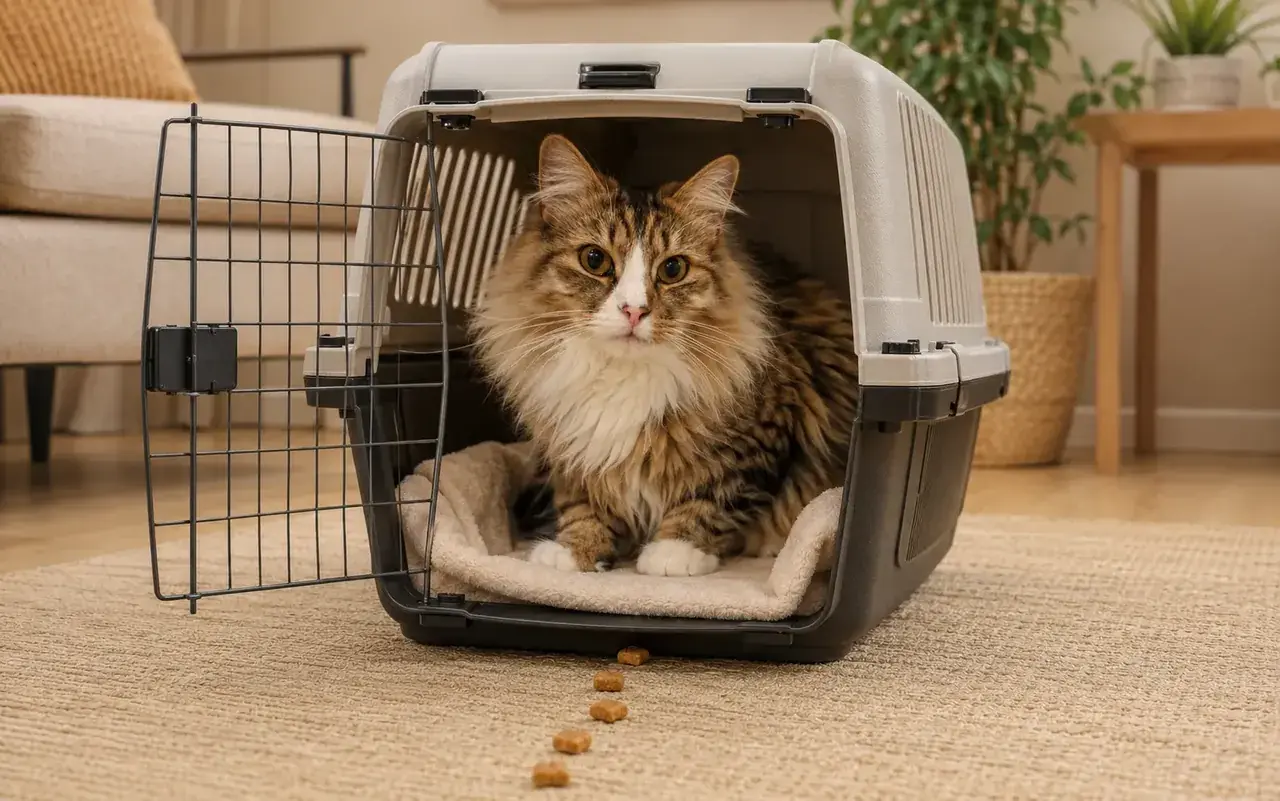 Topic illustration selected for this guide. Some learning images may be AI-assisted.
How to cat-proof electrical cords and chargers — the quick answer
✓ Unplug unused chargers, route cables through rigid covers and provide safe play and chewing alternatives.
✓ Inspect cords weekly for tooth marks, heat or exposed wire and replace damaged equipment rather than patching it casually.
✓ Electric shock, burns, drooling, coughing, weakness or breathing changes need immediate veterinary care.
Chewing a live cable can cause mouth burns, electric shock, breathing problems or fire. This guide explains how to reduce the risk, prepare the household, respond safely and recognize when the cat needs urgent professional care.
Why this deserves a plan
A cat that bites a live cable can suffer mouth burns or electric shock, and a damaged cord can also create a fire risk. Thin charger leads and moving cords are especially easy to investigate during play.
Make the safe choice the easy choice
Unplug and store unused chargers, route necessary cables through rigid cord covers and block access behind equipment. Offer safe play away from cables instead of relying on repeated correction.
A practical step-by-step routine
Inspect plugs and the full length of each reachable cable for tooth marks, splits, heat or exposed wire. Disconnect damaged equipment safely and replace it; then secure the route before the cat can reach it again.
What not to do
Do not patch a chewed live cable for continued use or coat cords with essential oils, chilli or irritating products that a cat may lick. Do not touch a cat still in contact with electricity until power is safely disconnected.
Know the urgent threshold
After suspected electric shock, disconnect power safely and contact a veterinarian immediately. Mouth burns, drooling, coughing, weakness, collapse or breathing changes require urgent care even if the external injury looks small.
See the room from cat height
Kneel and look beneath furniture, behind appliances and along climbing routes. Notice loops, gaps, warm cavities, unstable objects and small pieces that disappear against the floor. Then look upward: shelves, windows, plants and cords may become reachable through a chair or curtain. Repeat the inspection after furniture moves or the cat learns a new skill.
After visitors or household work
Deliveries, cleaning, repairs and celebrations leave small changes: a door unlatched, cord moved, pill dropped or plant placed on a table. Complete a short reset before releasing the cat from a safe room. Count tools and packaging, inspect floors, restore barriers and ask whether any product was used where paws or fur could contact it.
The bottom line
The central risk is simple: chewing a live cable can cause mouth burns, electric shock, breathing problems or fire. The practical response is to inspect cords weekly for tooth marks, heat or exposed wire and replace damaged equipment rather than patching it casually. Build layers that still work when people are rushed and cats are frightened. When exposure or injury may have occurred, seek professional advice early instead of waiting for certainty.
Your quick checklist
Your progress is saved on this device.
Three simple things you can do
You do not have to change everything today. Pick one step that feels realistic, try it and see how your cat responds.
- 1Observe your cat’s individual baseline.
- 2Make one gentle change at a time.
- 3Ask a qualified professional when health or safety is involved.
Common mistakes
×Waiting for a dramatic symptom instead of noticing smaller changes from the cat’s normal routine.
×Changing several things at once, making it difficult to learn what actually helped.
×Treating general guidance as a substitute for advice from a veterinarian who knows the individual cat.
Questions cat people ask
Does every cat follow the same rule?+
No. Age, health, history, temperament and environment all change what works for an individual.
When should I seek professional help?+
Seek veterinary advice for sudden, persistent or concerning changes and urgent help for breathing difficulty, collapse, seizures, poisoning or urinary obstruction signs.
Still looking for the right answer?
Search the full EverYes Cats encyclopedia with your own words — a symptom, food, behaviour, breed or everyday question.
Checked, dated and transparent
- Prepared by
- EverYes Cats editorial team
- Last updated
- 22 September 2026
- Source checked
- 22 September 2026
- Primary reference
- Cornell Feline Health Center: Common Cat Hazards ↗
We begin with the named reference, rewrite the information in plain language and add practical cat-parent steps. Urgent health statements are checked against veterinary sources. This guide has not been individually reviewed by a veterinarian unless explicitly stated. It provides education, not diagnosis or treatment.
How we choose and use sources →
Spotted something unclear or outdated? Tell us so we can review it.
Your answer helps us improve the cat encyclopedia.
Loops and dangling cords can tighten around a neck or limb during play or climbing.